
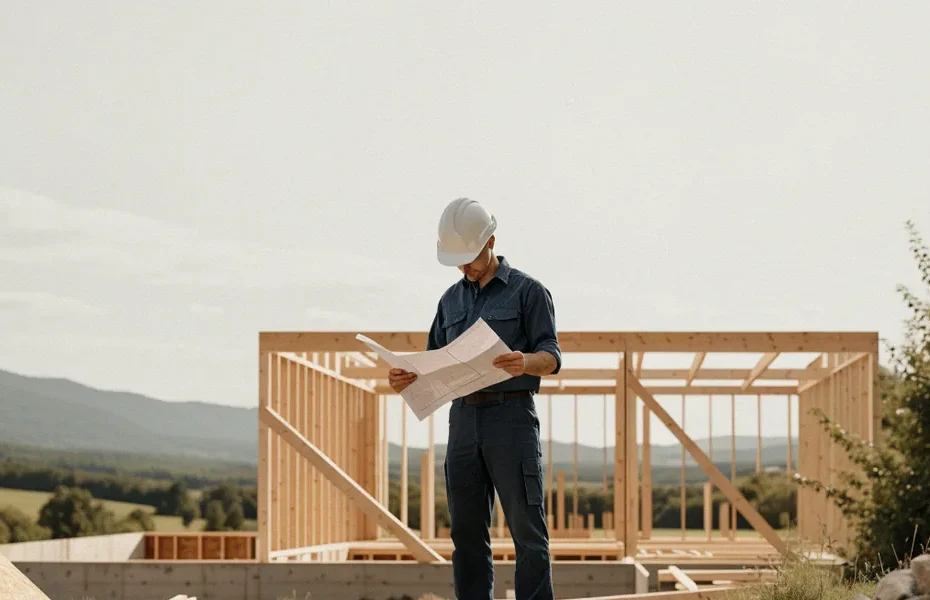
Owner-Builder in Canada: What You Need to Know Before You Start
You’ve spent months scrolling through floor plans, pinning timber frame inspiration, and picturing the moment you turn the key in the front door of a home you built with your own hands. Then you call your municipality and hear the words “owner-builder permit” — and the dream suddenly gets a lot more complicated. Building your own home in Canada is absolutely achievable, but it comes with legal, financial, and physical responsibilities that most first-timers underestimate. Before you break ground, here’s what our team has learned about what it actually takes to be an owner-builder from coast to coast.
What Exactly Is an Owner-Builder in Canada?
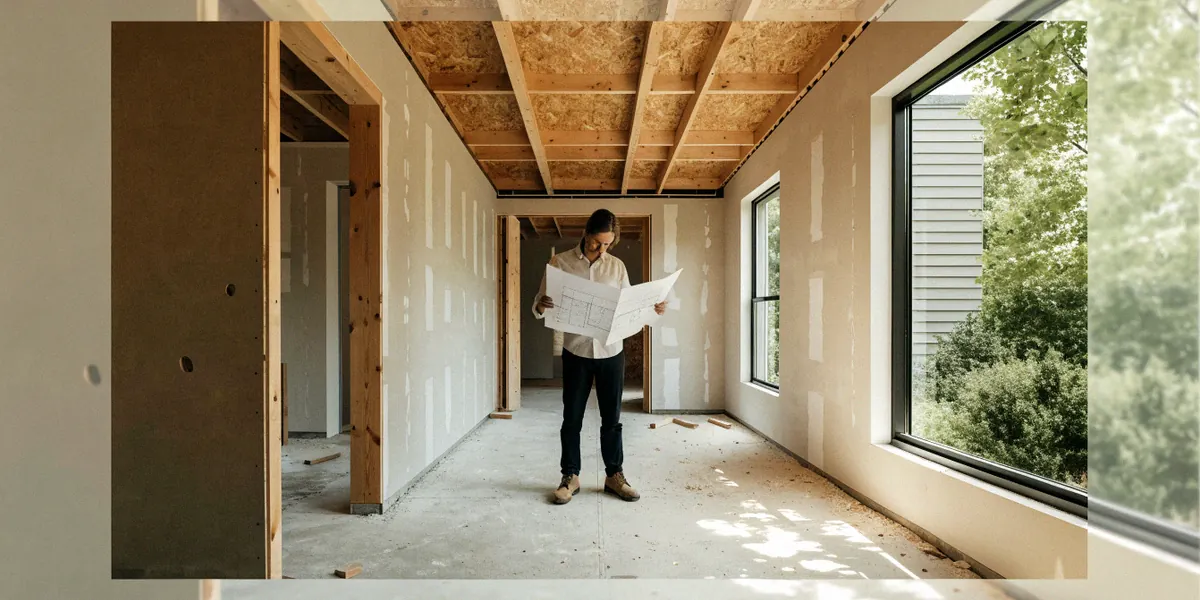
In Canada, an owner-builder is someone who takes on the legal and financial responsibility for constructing or renovating a home on their own property — not for sale or resale. When you build your own home as an owner-builder, you become the “builder” in the eyes of the law, which means permits, inspections, safety compliance, and warranty obligations land on your shoulders, not a general contractor’s. That’s a big shift in liability, and it’s why provinces treat owner-builders differently.
Provincial Definitions and Requirements
There is no single national definition of an owner-builder. British Columbia, for example, requires owner-builders to pass a formal exam and obtain an owner-builder authorization before they can pull permits for a home they intend to occupy. Ontario has its own framework tied to the Tarion warranty program, and Quebec and Alberta layer their own amendments on top of the National Building Code of Canada. Always check your province’s rules first — what’s allowed in Nova Scotia may be restricted in BC.
Owner-Builder vs. General Contractor
A general contractor coordinates trades, holds the building permit in many cases, and carries liability insurance and warranty obligations. An owner-builder does that coordination themselves. In practice, most successful owner-builders still hire licensed trades for electrical, plumbing, and gas — they just manage the project and hold the responsibility. If you’re not prepared to schedule inspections, manage subtrades, and sign off on code compliance, hiring a GC is the safer route.
Permits, Zoning, and Legal Must-Knows
Every legal build in Canada starts with a building permit. The National Building Code of Canada sets the baseline for safety and construction standards, but provinces like Quebec and Alberta publish their own amended codes, and municipalities add zoning bylaws on top. Skipping permits to save time is one of the fastest ways to derail a self-build — unpermitted work can be ordered demolished, and it will surface during a resale.
How to Apply for a Building Permit
Applications typically require stamped architectural drawings, a site plan, proof of ownership, and sometimes engineering details for structural elements like timber frame construction. Processing times vary widely — from a few weeks in smaller rural municipalities to several months in busy urban centres. Budget for this timeline before you order materials.
Working with Local Inspectors
Inspections are scheduled at defined stages: foundation, framing, rough-in electrical and plumbing, insulation and vapour barrier, and final occupancy. Our advice: build a relationship with your inspector early, ask questions before you pour concrete, and keep a log of every inspection. Inspectors are far more helpful when you’re proactive rather than trying to explain a mistake after the fact.
Zoning and Setback Rules
Zoning bylaws control setbacks from property lines, maximum building height, lot coverage, and permitted uses. A lot that looks perfect for your dream home may have a 7.5-metre front setback that kills your floor plan. Request a zoning compliance letter from your municipality before you buy land or finalize drawings.
Financing and Insurance for Owner-Builders
Here’s the reality check most people miss: a traditional mortgage usually doesn’t apply during the build phase, because there’s no finished home to secure it against. Owner-builders typically need construction financing, which advances in draws as work progresses and inspections are completed.
Construction Financing Options
Options include builder-arranged construction loans from chartered banks, credit unions, and private lenders, plus CMHC (Canada Mortgage and Housing Corporation) financing options that support self-build and owner-built projects through insured mortgage programs. Expect to need a detailed budget, plans, permits, and often a builder’s cost estimate before approval. Interest rates on construction loans are typically higher than standard mortgages.
Insurance and Warranty Coverage
Owner-builder insurance — covering the structure during construction, plus liability for workers and visitors — is essential and often required by lenders. In Ontario, the Tarion warranty program governs new home warranties, and owner-builders selling within a defined period face specific obligations under it. Other provinces have different warranty regimes or none at all, so confirm your exposure before you start.
Budgeting for Overruns
Our rule of thumb for self-builds: add 15–20% contingency to your total budget. Timber frame construction, custom insulation packages, and rural site servicing (wells, septic, driveways) routinely come in higher than expected. An overrun fund isn’t pessimism — it’s the difference between finishing the build and running out of money at the drywall stage.
The Real Risks and Rewards of Building Your Own Home
The rewards are real: cost savings on contractor margins, total control over design and materials, and the satisfaction of a home you built yourself. The risks are equally real: project delays, physical exhaustion, relationship strain, and resale complications. Some provinces — British Columbia is the clearest example — require owner-builder exams or courses precisely because the failure rate for unprepared self-builders is high.
Time and Skill Commitments
Realistically, an owner-builder should expect to commit 20–40 hours per week during active construction, often while holding down a job. Skills in project management matter as much as carpentry. If you can’t read a drawing, manage a schedule, or negotiate with subtrades, take a course or bring in help.
Resale and Disclosure Obligations
Owner-built homes can be harder to sell because buyers and lenders may ask for proof of permits, inspections, and warranty coverage. In Ontario, disclosure obligations under Tarion apply if you sell within the warranty period. Keep every permit, inspection record, and receipt — they’re your resale insurance.
When to Hire a Professional
Hire licensed professionals for electrical, plumbing, gas, and structural engineering — no exceptions. Consider a construction consultant or project manager for scheduling and budget control, especially on a first build. The money you spend on expertise usually comes back in avoided mistakes.
Key Steps to Start Your Owner-Builder Journey
Here’s the practical sequence our team recommends before you commit:
- Research your province’s owner-builder rules, exams, and warranty obligations.
- Confirm zoning, setbacks, and servicing (well, septic, hydro) for your lot.
- Secure construction financing and insurance quotes.
- Finalize drawings and apply for building permits.
- Plan your insulation strategy and, if applicable, timber frame construction — popular in rural Canada for its durability and energy performance.
- Schedule inspections at every required stage and keep records.
Research and Planning Phase
Spend at least three to six months on research: provincial requirements, municipal bylaws, financing pre-approval, and a realistic budget. Visit open houses of self-builds, talk to local owner-builders, and read your municipality’s homeowner guide.
Assembling Your Team
You’ll need a designer or architect, a structural engineer, licensed trades, and possibly a construction consultant. Interview at least three candidates for each role and check references on comparable projects.
Timeline and Milestones
Map out milestones — permit approval, foundation, framing, rough-in inspections, insulation, final inspection, occupancy — and build in buffer time. Canadian winters affect scheduling in most provinces, so plan exterior work around the season.
FAQ
Do I need a licence to be an owner-builder in Canada?
It depends on the province. British Columbia requires owner-builders to pass an exam and obtain authorization. Ontario ties obligations to the Tarion warranty program, while other provinces have lighter or no specific licensing for owner-occupied builds. Always confirm with your provincial regulator.
Can I get a mortgage while building my own home?
Not a standard mortgage — you’ll typically need construction financing that advances in draws, and CMHC financing options can support eligible self-build projects. Once the home is complete and inspected, it’s usually converted to a standard mortgage.
How much should I budget for overruns on a self-build?
We recommend a 15–20% contingency on top of your total build cost. Rural servicing, custom insulation, and timber frame elements are common sources of overruns.
Can I sell a home I built as an owner-builder?
Yes, but disclosure and warranty obligations apply. In Ontario, Tarion rules govern sales within the warranty period, and buyers or lenders may request permit and inspection records. Keep full documentation from day one.
Being an owner-builder in Canada is one of the most rewarding projects you can take on — but it rewards preparation, not enthusiasm alone. Understand your province’s rules, line up financing and insurance early, and don’t hesitate to bring in local experts before you break ground. Your future home is worth doing right.