
Hiring Trades: What to DIY and What Not To
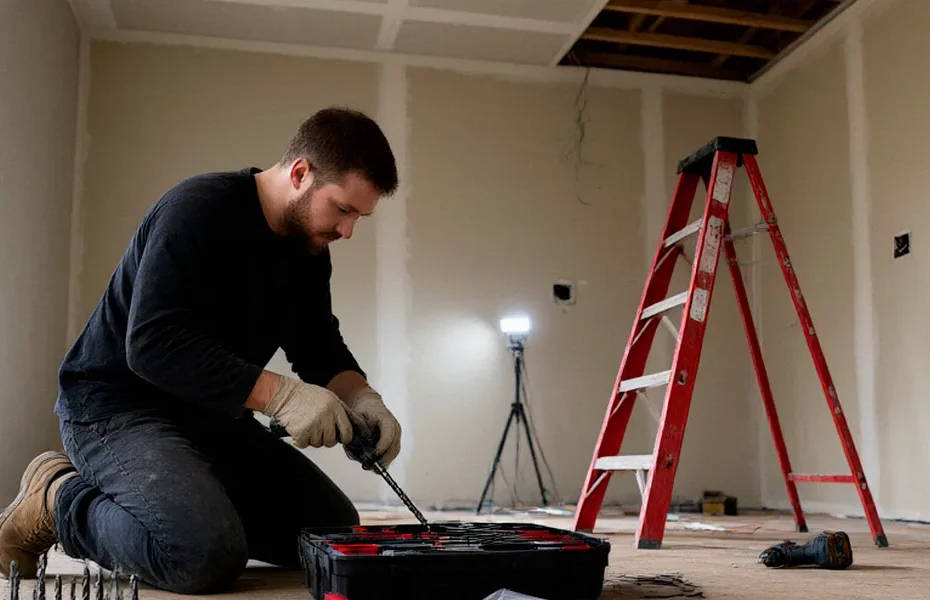
You’ve got the plans spread across the kitchen table, a coffee that’s gone cold, and a nagging question that won’t quit: do we really need to hire someone for this, or can we pull it off ourselves? Every Canadian owner-builder hits this wall at some point. The budget says DIY, the timeline says hire, and somewhere in the middle sits a building code book you’ve barely cracked open. We’ve walked plenty of self-builders through this exact moment, and the honest answer is that the right mix of DIY and hired trades looks different for everyone. What doesn’t change is the framework you use to decide. Let’s break it down.
The DIY vs. Hire Decision: A Framework for Owner-Builders

Before you pick up a hammer or a phone, run every task through four filters: skill, time, risk, and code. Skill is obvious — have you actually done this before, or are you watching your third YouTube tutorial? Time matters because a two-week DIY project that drags into two months can cost more in carrying charges and rental fees than hiring a pro would have. Risk covers both personal safety and the cost of a botched job. Code is the one people underestimate most. In Canada, some work legally requires licensed trades — electrical work falls under the Canadian Electrical Code, and gas work is regulated provincially, such as by the Technical Standards and Safety Authority (TSSA) in Ontario. No amount of confidence overrides those rules.
Assessing Your Skills and Comfort Level
Be brutally honest here. Installing window frames in a new opening is very different from swapping a faucet cartridge. Ask yourself: have I done this task at least twice before, do I own or can I rent the right tools, and would I be comfortable if a building inspector looked at my work? If any answer is no, that task probably belongs on the hire list. There’s no shame in it — the pros spent years getting fast and accurate at exactly this.
Time vs. Money: Calculating the Real Cost of DIY
DIY rarely saves as much as people think. Factor in tool rentals, materials wasted on learning curves, your own hourly value, and delays to the overall schedule. A task that saves $2,000 in labour but adds six weeks to your build might actually cost you more in rent, storage, or interest. We tell owner-builders to track a simple ratio: if DIY saves less than 30% after honest accounting, hire it out.
Legal and Insurance Implications
Unpermitted or unlicensed work can void your home insurance and create nightmares at resale. If a fire is traced to unlicensed electrical work, your insurer may deny the claim outright. In provinces with homeowner permit programs, you can legally do some of your own work — but only within the scope the permit allows. Always call your municipality’s building department before assuming you’re clear.
What You Can Safely DIY: Tasks for Confident Owner-Builders
Plenty of work is genuinely DIY-friendly for a motivated owner-builder. Interior painting, basic landscaping, installing window frames (as long as you’re not altering structural openings), trim work, and simple flooring are all reasonable. Even for these, checking local building permits in Canada requirements is essential — some tasks that feel cosmetic actually trigger permit requirements.
Interior Finishes: Painting, Trim, and Flooring
Painting, caulking, baseboards, door casings, and installing laminate or engineered hardwood are all within reach for most homeowners. These tasks are low-risk, forgiving of minor mistakes, and easy to inspect visually. Just don’t skip proper surface prep — most finish failures trace back to rushing that step.
Exterior Projects: Landscaping, Decks, and Fences
Sod, garden beds, and simple planting are pure DIY. Decks and fences are trickier — many municipalities require permits for decks above a certain height or footprint, and fence height bylaws vary by city. Build them yourself if you’re comfortable with layout and framing, but confirm permit requirements first.
Window and Door Installations: When It’s Safe to DIY
Replacing a window in the same rough opening is a reasonable DIY job for a careful homeowner. But window frame installation may require a permit if you’re altering the opening size or structure. The moment you’re cutting into a header or enlarging a rough opening, you’ve crossed into structural territory — that’s a hire-an-engineer moment.
What You Should Never DIY: Trades to Hire for Safety and Code
Some tasks are non-negotiable. Electrical, plumbing, gas fitting, and structural modifications should always go to licensed professionals. These aren’t just about skill — they’re about legal liability, insurance validity, and human safety. Reference the Canadian codes and pull the right permits, or you’re building on sand.
Electrical Work: Why It’s Non-Negotiable
The Canadian Electrical Code requires licensed electricians for most electrical work. In most provinces, anything beyond changing a light bulb or swapping a fixture on an existing circuit needs a licensed electrician and often a permit. This isn’t bureaucratic fussiness — bad wiring kills people and burns houses down.
Plumbing and Gas: Risks and Regulations
Plumbing mistakes cause slow, invisible water damage that can rot framing for years before you notice. Gas work is even more serious: in Ontario, the TSSA regulates gas work, and only licensed gas technicians can legally perform it. A leak isn’t a “fix it later” problem — it’s an explosion risk. Hire out both.
Structural Changes: When to Call an Engineer
Removing a load-bearing wall, adding a beam, cutting a new opening in a foundation, or altering roof structure all require an engineer’s stamp and a building permit. No contractor should touch these without engineered drawings. If someone offers to “just do it,” walk away.
How to Hire the Right Trades for Your Self-Build
Hiring well is a skill in itself. The trades you bring on will make or break your build, so treat the vetting process with the same seriousness as the construction itself.
Vetting Contractors: Licenses, Insurance, and References
Always verify a contractor’s provincial licence, liability insurance, and WSIB/WCB coverage. Cross-check with the Better Business Bureau and your provincial licensing body — these are your best defence against fly-by-night operators. Ask for three recent references and actually call them.
Getting Quotes and Contracts: What to Look For
Get at least three written quotes with itemized scope, materials, and timelines. Never accept a verbal agreement. A proper contract spells out payment schedule, change-order process, warranty terms, and who pulls the permits. If a contractor offers to skip the permit to save time, that’s your cue to find someone else.
Managing Trades on Site: Communication and Scheduling
Overlapping trades is one of the biggest causes of delays. Create a simple schedule showing who’s on site when, and hold a short morning check-in with whoever’s working that day. Clear communication prevents the classic “the electrician can’t start because the framer isn’t done” spiral.
Permits and Inspections: Navigating Canadian Building Permits
Building permits are required for structural changes, additions, and many renovations in most Canadian municipalities. The permit process protects you, your neighbours, and future owners of the home. Skipping it is one of the costliest mistakes an owner-builder can make.
When You Need a Permit for DIY Work
Permits are typically required for structural changes, additions, decks above a certain height, finished basements, new windows that alter openings, and any plumbing or electrical work. Some municipalities allow homeowner permits for certain tasks; others require licensed trades regardless. Toronto and Vancouver both publish detailed homeowner guides — start there if you’re in either city.
Scheduling Inspections and Passing Code
Inspections happen at defined stages: foundation, framing, rough-in, insulation, and final. Miss a stage and you may have to expose completed work. Book inspections as soon as each stage is ready, and keep the site tidy — inspectors notice.
Final Sign-Off: Closing Your Permit
Once all inspections pass, the municipality issues a final sign-off that closes the permit. Keep that document. It’s proof of compliant work for insurance, resale, and future renovations.
Balancing DIY and Hiring: Real Stories from Canadian Owner-Builders
Every owner-builder we’ve worked with has a story about the task they wish they’d hired out — and the one they’re glad they tackled themselves.
Success Stories: What Worked Well
One Ontario couple built their entire basement finish themselves except for electrical and plumbing, saving roughly $18,000 while keeping their permit clean. A BC owner-builder handled all exterior landscaping and fencing, then hired out the deck framing to ensure it passed inspection the first time.
Lessons Learned: Mistakes to Avoid
The most common pitfalls we hear: underestimating how long tiling takes, trying to save money on electrical and failing inspection, and hiring the cheapest quote without checking licensing. Every one of these ends up costing more than doing it right the first time.
Finding Your Balance: Tips from the Trenches
- DIY the finishes; hire the systems.
- Never skip permits to save a few weeks.
- Budget 15% contingency for surprises.
- Keep a written log of every trade, inspection, and change.
- Ask for help before you’re frustrated, not after.
FAQ
Can I do my own electrical work in Canada?
In most provinces, no — the Canadian Electrical Code requires licensed electricians for anything beyond minor fixture swaps on existing circuits. Some provinces allow homeowners to pull a permit for limited work, but it must still pass inspection.
Do I need a permit to replace a window in Canada?
If you’re replacing a window in the same rough opening, usually not. Window frame installation may require a permit if you’re altering the opening size or structure, so check with your local building department first.
Who regulates gas work in Ontario?
The Technical Standards and Safety Authority (TSSA) regulates gas work in Ontario. Only licensed gas technicians can legally perform gas fitting, and permits are required.
How do I verify a contractor is legitimate?
Check their provincial licence through the relevant licensing body, confirm liability insurance and WSIB/WCB coverage, and search the Better Business Bureau for complaints. Always get three references and call them.
What happens if I skip a building permit?
You risk fines, forced demolition of non-compliant work, voided home insurance, and serious problems at resale. Most municipalities can order you to open walls or remove work that wasn’t inspected.
The key to a successful self-build is knowing your limits, respecting Canadian building codes, and not being afraid to hire licensed trades for safety-critical work. Do the tasks you’ll genuinely enjoy and do well. Hire out the ones that could hurt you, void your insurance, or fail inspection. Build smart, build legal, and the satisfaction of a home you shaped yourself will be worth every decision.